Folks have been asking about my mite-wash cups and how to make them. I’m glad of this because this is key to breeding queens, preparing for winter, pinpointing reasons for losses and a lot more. All this and a ton more is in the Basic Course (click here to find...
Yes, we did have winter, just not as much of one as usual, and it feels strange to have spring happening in February – the middle of February! On February 6 I saw a bee here and there entering a hive with whitish “pollen” pellets on its legs. So I...
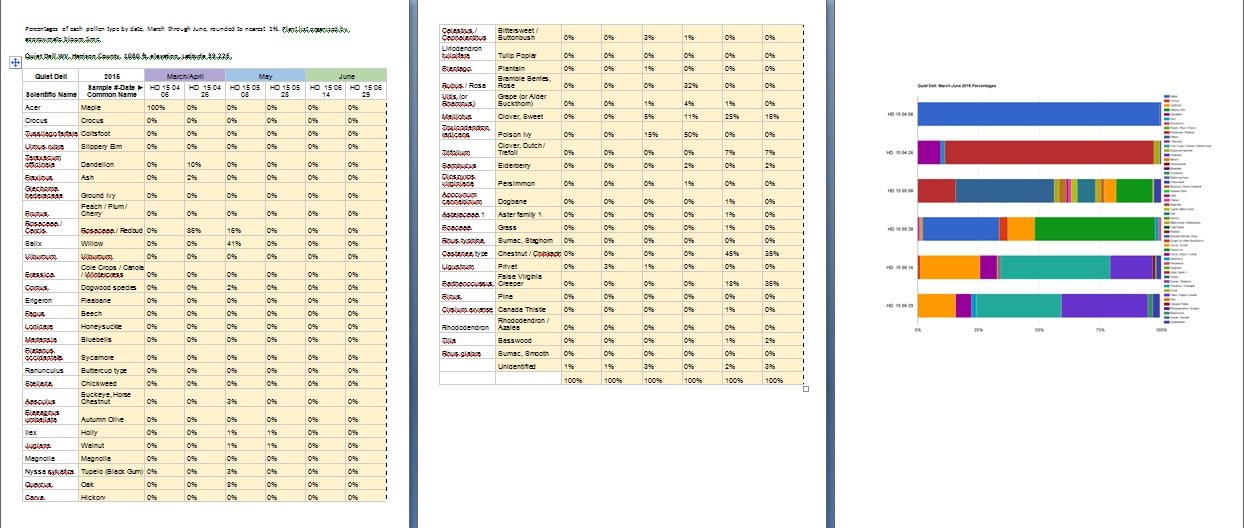
Click on the image below to view the West Virginia Pollen Project’s results. The Northeast SARE Final Report will be available from the NE SARE web site in the near future. WV Pollen Project 2015 Final Outreach Report This report covers the pollen bees...
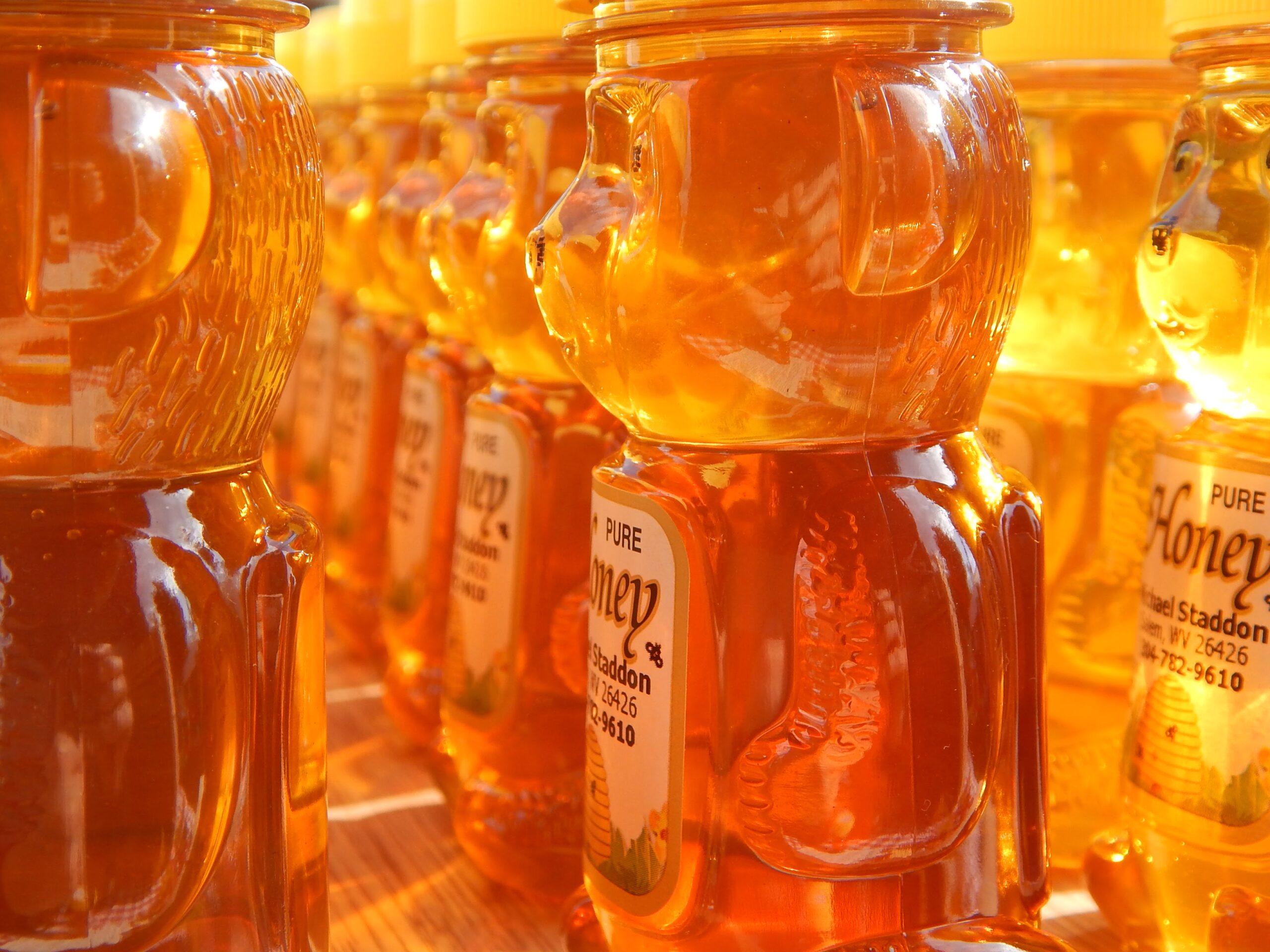
The definition of raw honey has not been nationally established so the average person needs to look at the facts and develop their own. In commercial processing honey is typically “flash-heated” to around 160 degrees F which has been shown to reduce the...
The longer I keep honey bees, the more I see the importance of pollen, the bees’ only source of protein, vitamins, minerals, lipids, and sterols, and even an important source of carbohydrates. Honey bees cannot thrive any better than their nutrition will allow....
I have heard people talk about “switching boxes” and “moving frames” to help the bees prepare for winter, but I rarely see a need for that. As the picture shows, the bees instinctively replace the brood in the upper part of the brood nest with...